
Whoa!
I’ve poked around Solana wallets for several years now. My first impression of Phantom was immediate — clean UI and fast transactions. Initially I thought UI polish was just surface-level, but after coordinating NFT drops, juggling token swaps, and recovering a locked account during a sprint I realized the design choices actually map to real-world friction points that matter when gas and timing are unforgiving. It saved me time and literal sweat on multiple occasions, especially when I needed to rebroadcast stuck transactions during peak network congestion where every second cost me money.
Hmm…
But honestly, not everything about Phantom is perfect out of the box. Some features feel nascent and confusing to newcomers, like token management and custom RPC options that require context about validator choices and latency trade-offs before they’re safe to tweak. On one hand the wallet keeps things simple for daily use, though actually when you dig into DeFi bridges and program-derived addresses the abstractions start leaking and you need to understand a few Solana-specific concepts to avoid costly mistakes. My instinct told me to document those quirks for friends and colleagues.
Really?
Here’s a small story about an NFT drop that shows why tiny UX choices matter. During a mint I watched wallets time out because confirmation windows were clunky, and multiple users ended up missing a rare drop when retries weren’t handled gracefully, which taught me how unforgiving these moments are. If the wallet pushes confirmations or bakes in retry logic, then the user gets through the gate and the community benefits, whereas if it doesn’t, that friction cascades into disappointed buyers and angry Discord threads that founders suddenly have to triage. That feedback loop taught me to prioritize resilience over flashy features.
How I use Phantom day-to-day
Whoa!
Security deserves its own digression, because I’m cautious by nature. Initially I thought hardware wallet integrations were optional, but then after a phishing simulation where a subtle clone page asked for a mnemonic I realized that hardware support, robust origin checks, and clear phishing warnings are core safety nets for everyday users, not optional nice-to-haves. Phantom supports hardware wallets and shows origin warnings, which helps. Still, I advise users to be paranoid in small doses.
Here’s the thing.
If you’re chasing NFTs, DeFi yield, or just sending SOL to a friend, the mental model matters. On one hand ease-of-use wins mass adoption, though actually without clear affordances for advanced options like slippage limits and RPC selection you risk users misconfiguring transactions and losing funds, so wallets need to balance simplicity with accessible power tools. I like Phantom because it strikes that balance more often than not. But I’m biased; I favor speed and clean interfaces over feature bloat.
Wow!
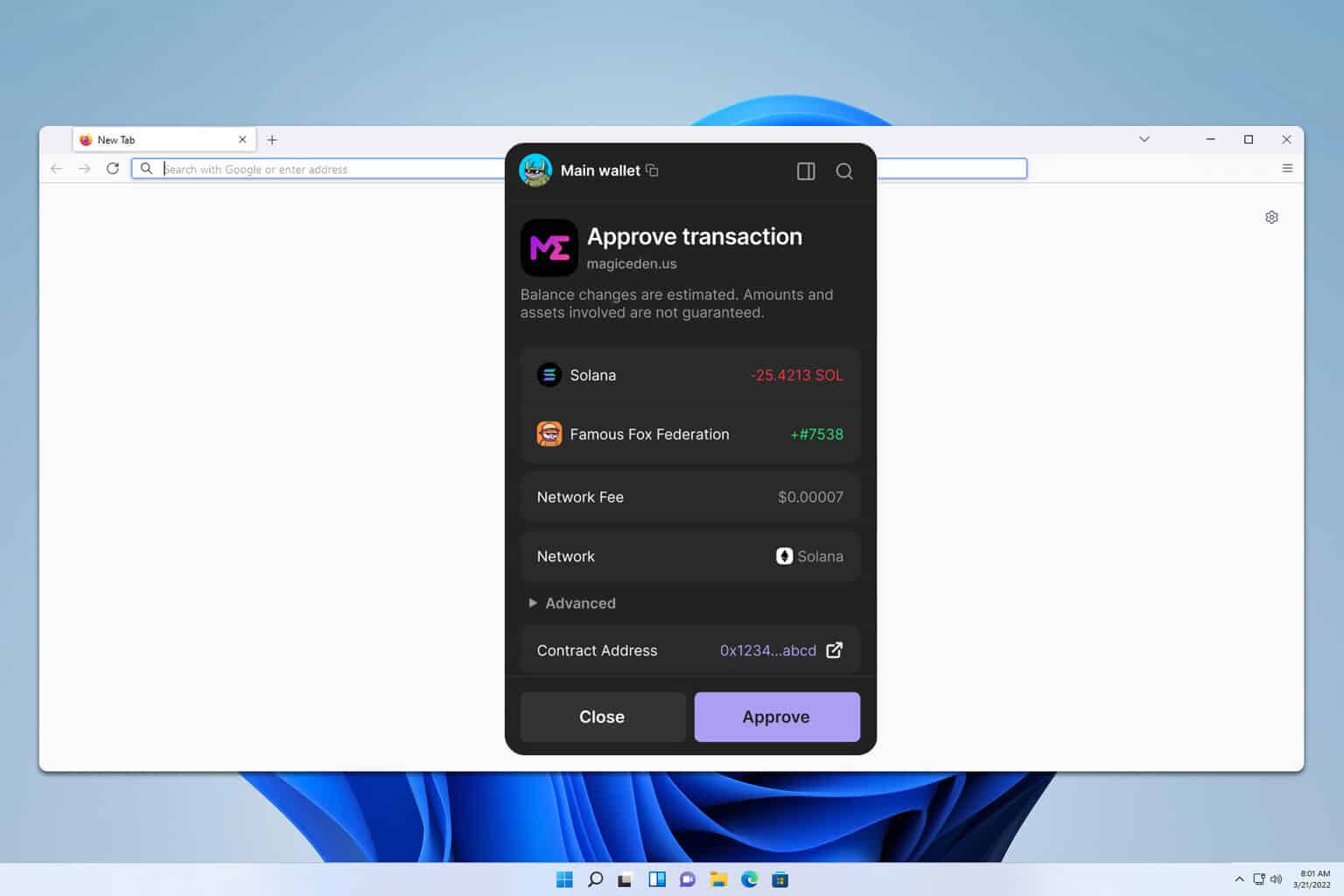
A practical tip: always check the program id when interacting with unknown apps. My routine now includes a quick manual audit of the DApp’s contract address and a glance at the transaction simulation, because those simple steps have a habit of catching mislabelled tokens and malicious approval requests before they turn into problems. I teach that routine to new users and it helps them avoid headaches. This approach pairs well with Phantom’s approval flow and transaction previews. It’s somethin’ I repeat a lot…
Try it if you want
Okay, so check this out—if you feel like giving it a spin, download phantom and play with it on a small scale first.
I’ll be honest: wallets are a trust exercise. On one hand you want friction-free experiences that feel modern, though actually trust comes from consistent reliability, transparent prompts, and a community that signals safety. My gut feelings and my checklist sometimes conflict, and I still change habits as the ecosystem moves fast. That tension is good — it forces better designs and smarter users.
Frequently asked questions
Is Phantom good for NFTs?
Yes — it has a dedicated NFT UI and handles mint flows reasonably well, though you should test minting on small amounts first and watch confirmations closely.
Can I use Phantom for DeFi on Solana?
Absolutely. It supports common DeFi dApps, hardware wallets, and token approvals, but learn to read approval screens and consider custom RPCs when latency or congestion matters.
